Coffee packing machines for beans and ground coffee
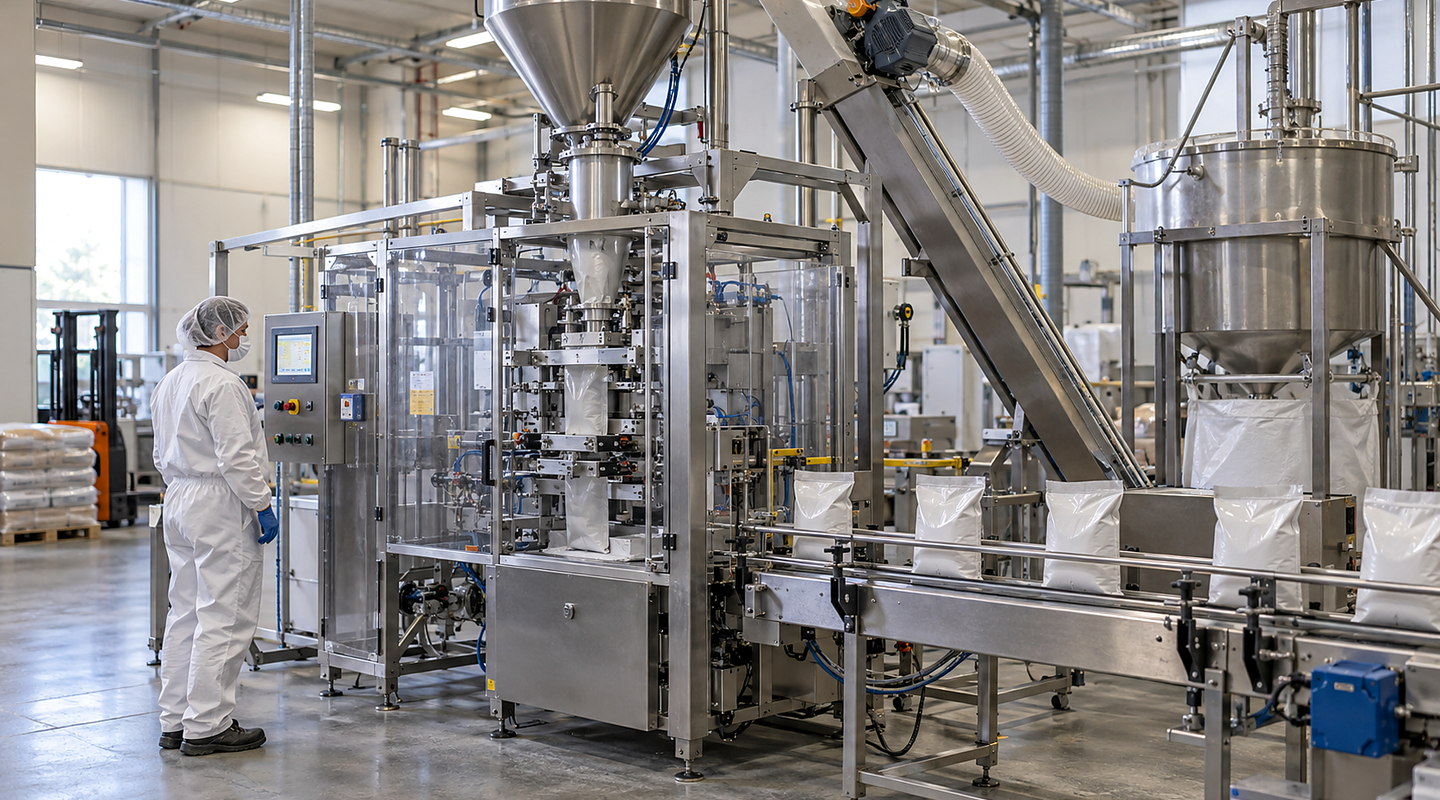
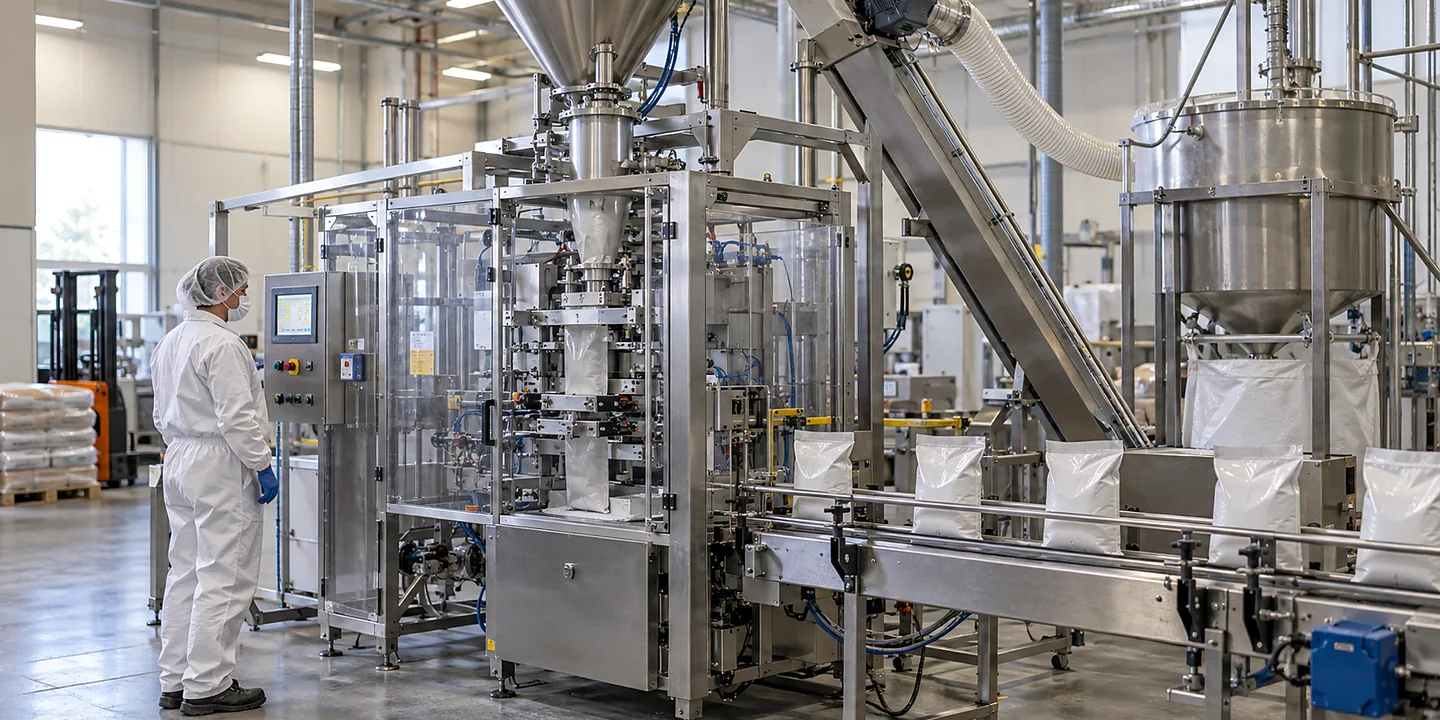
Choose coffee packing equipment around the coffee form and finished pack. Whole beans, ground coffee, premade pouches and roll-film bags create different dosing and handling questions; confirm the complete fill-and-close sequence with representative coffee and packaging.
Speak directly with Lancing about coffee beans and ground-coffee packing.
Quick answer
Should we use a weighing or auger system to pack our coffee?
Specify whether the product is beans or ground coffee, the pack weight range and the intended bags, jars or pouches. Compare dosing trials using the actual product, including its normal variation. Include dust, pack opening, closure and any valve or gas requirement in the brief for the complete packing sequence.
Use these decisions to define the proposed equipment and the checks needed for your application.
Decision 1
Beans and ground coffee need separate trials
Describe the roast, grind where relevant and normal product variation. Compare a weighing route for beans and suitable powder-dosing routes for ground coffee using trial results. Do not assume a system proven on one coffee will handle the full range unchanged.
Decision 2
Premade pouches or formed bags
Supply production samples with dimensions, mouth opening, gussets, zipper and valve position where used. Premade pouches need opening and support; roll film needs a forming and sealing arrangement. Include the finished presentation in the equipment brief.
Decision 3
Weight and usable headspace
List pack weights and the required weight-control method. Show the intended fill level after settling, not only the empty bag capacity. The coffee must fit without obstructing the closing area or leaving the pack difficult to handle downstream.
Decision 4
Seal area and closure checks
Inspect the pack mouth after filling for coffee particles or dust. Define the finished-seal assessment and any zipper-closing check. Use the actual bag material in trials so an acceptable dose is not confused with an acceptable completed pack.
Decision 5
Valve or gas requirements
If the pack needs a valve or a gas step, identify the approved packaging specification and the responsible product-quality requirements. Include those operations in the line scope and trial plan; a packing-machine choice alone cannot establish shelf life.
Decision 6
Changeover and cleaning
List the coffees, pack formats and sequence of a typical day. Assess retained product, accessible contact parts, recipe selection and first-off checks after a change. Compare total completed batches rather than the filling cycle of the easiest single SKU.
Applications
Two useful starting points for coffee packing machines
The right choice changes with coffee beans & ground-coffee packing product behaviour, container, bag or pack range, your line layout and required results.
Follow the sequence below to resolve the main specification questions before committing to equipment or installation.
01
Separate the product families
Group beans and ground products by the behaviour and formats that may require different dosing or tooling.
02
Trial with production packs
Use normal coffee and the approved pouch or film, including the smallest opening and most demanding fill.
03
Assess complete packs
Check weight, presentation, closure and coding after filling. Record rejected packs and interruptions alongside accepted output.
04
Scope the daily operation
Include product loading, cleaning, reel or pouch replenishment, finished-pack handling and operator tasks in the quotation.
Important limits
Know what needs a separate check
Food-contact, hygiene and allergen controls must be validated for the actual product and site.
The selected method must be trialled with representative product and packaging.
Supplier tolerances and product-condition changes can alter handling or fill behaviour.
Your final solution for coffee beans and ground-coffee packing must reflect the law, current standards and site-specific risks that apply to your installation.