Current condition
Record whether each format is a premade pouch or made from roll film. Supply the current bag drawing or film specification, usable opening, gusset and closure details, together with the coffee type and intended fill weight.
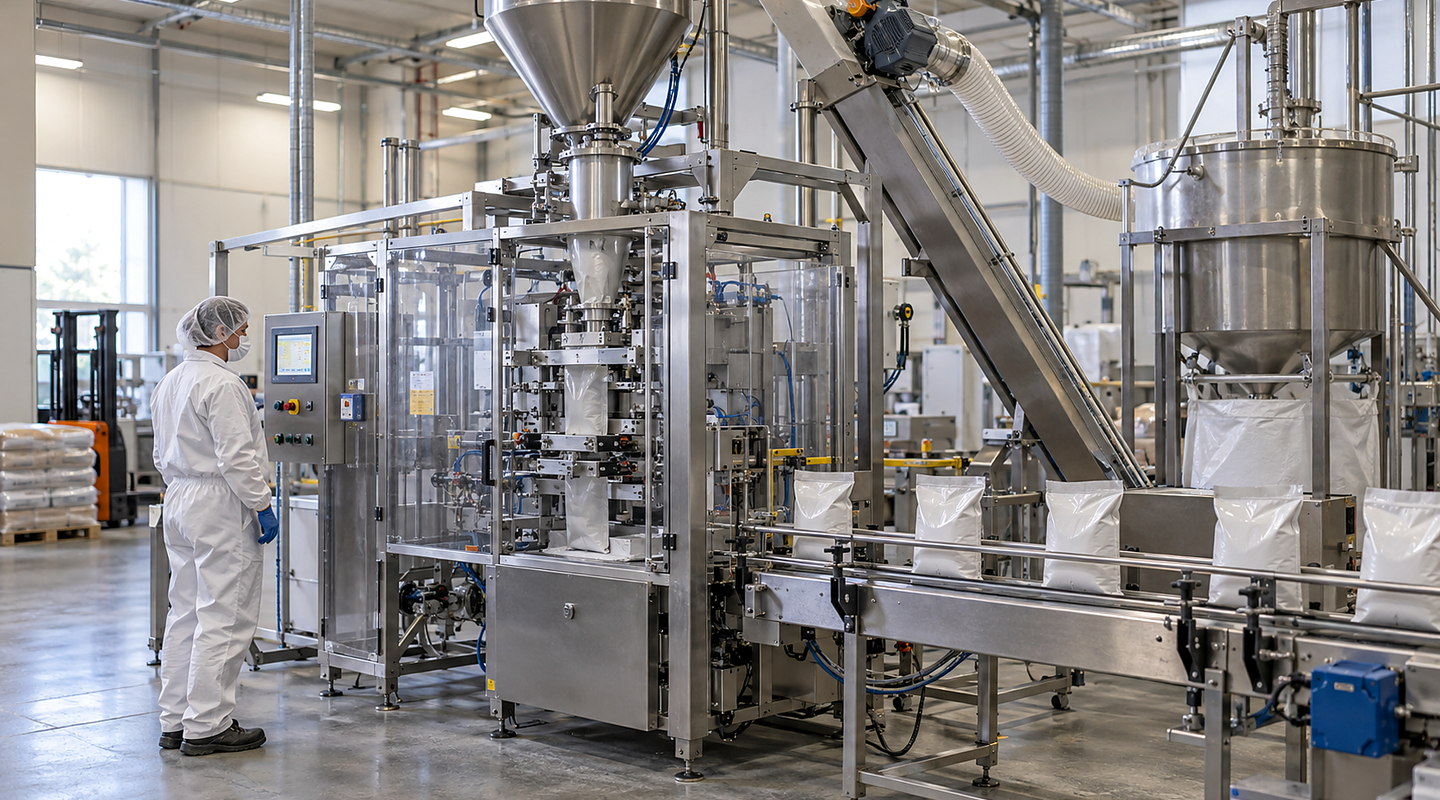
What decisions about container, bag or pack range materially change the system concept for coffee packing machines?
Define the coffee bag range by the production material, dimensions, opening, gusset, closure and target fill weight. Test the smallest and largest packs with the intended coffee, including the room needed for the nozzle, settled product and final seal.
For routine production using coffee beans and ground-coffee packing, describe the realistic range and how changes in container, bag or pack range affect the result you need.
Plan coffee packing machines around your product, pack range, target output, cleaning needs and finished-pack checks. Discuss a practical line concept with Lancing using representative samples. Use this guide to resolve container, bag or pack range before it limits the final system.
Discuss your application

Record whether each format is a premade pouch or made from roll film. Supply the current bag drawing or film specification, usable opening, gusset and closure details, together with the coffee type and intended fill weight.
Include the smallest and largest packs, normal bag tolerances and any zipper or valve that restricts the usable opening. State how many coffees and pack sizes change during a normal production day.
During a trial, record how each format opens, is supported during filling, clears the nozzle and reaches the closing step. Inspect the seal area and the finished pack after settling; a correct weight alone does not establish a suitable presentation.
Identify whole beans or ground coffee for each format. Compare settled volume and dust at the opening, and inspect bean breakage after the complete transfer into the bag.
List bag dimensions, material revision, gusset, closure and usable opening for every size. Identify the smallest bag and any format that needs different support or change parts.
Record the target net weight for each coffee and bag combination, then check headspace and closure access after normal settling. Keep weighing results separate from usable pack volume.
State acceptable finished bags per shift, typical batch sizes and the sequence of format changes. Include startup and changeover losses when comparing the working production day.
Record the steps to empty retained coffee, clean contact parts and change the bag setup. Agree first-off checks after changing coffee, pack size or recipe.
Agree checks for weight, visible dust, seal-area cleanliness and finished presentation. If a valve or gas step is required, obtain its checks from the approved packaging and product-quality specification.